





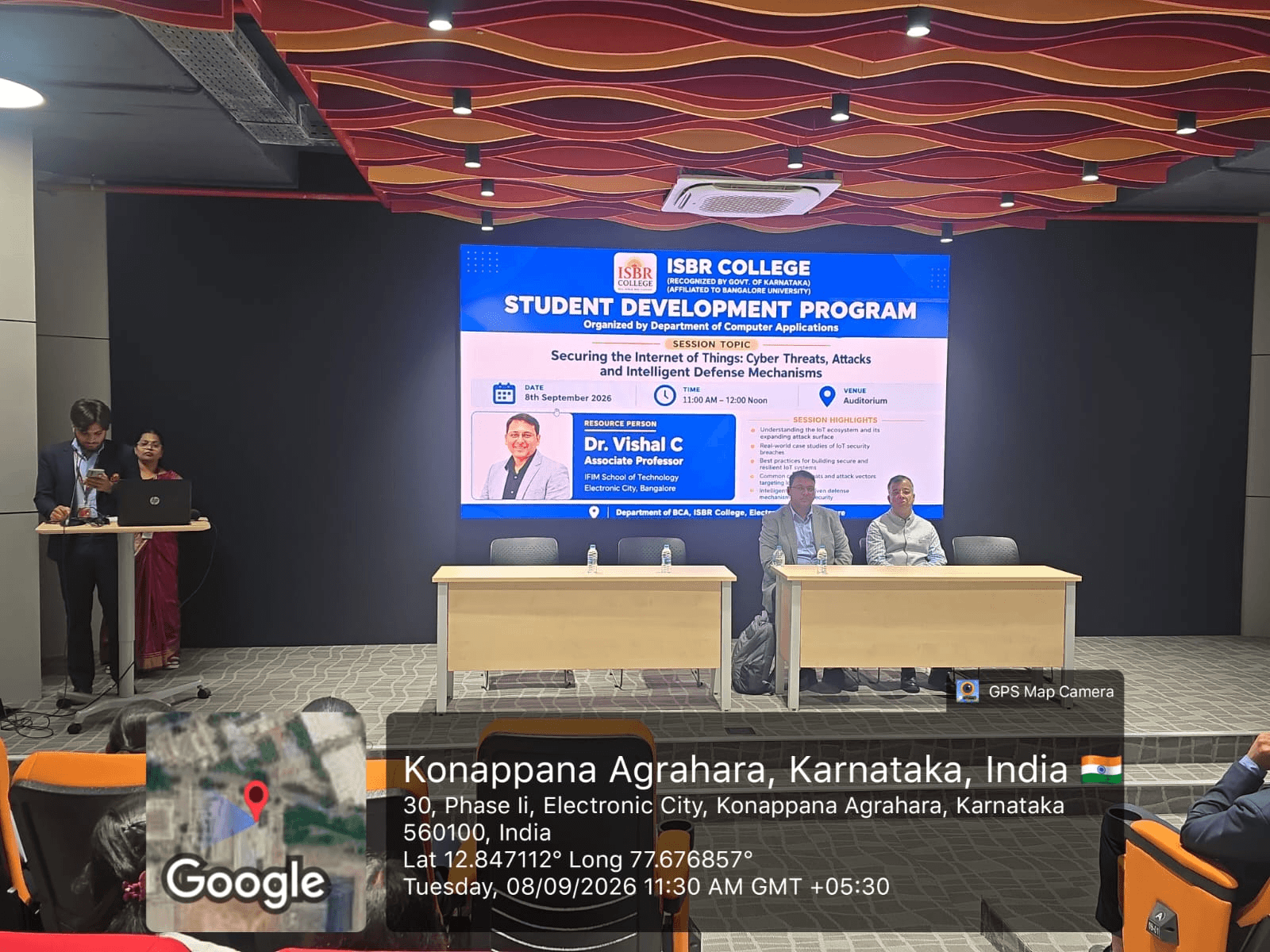
BENGALURU — To equip computer application students with hands-on knowledge of network defense, the Department of Computer Applications at ISBR College organized a Student Development Program (SDP) titled “Securing the Internet of Things: Cyber Threats, Attacks and Intelligent Defence Mechanisms” on September 8, 2026.
The session brought together I, II, and III-year BCA students for an interactive session led by Dr. Vishal C, Associate Professor at IFIM College, Bengaluru. Hosted in the college auditorium, the program covered the evolution of IoT devices, sensor networks, public Wi-Fi vulnerabilities, and live defense techniques.
Event Overview at a Glance
| Program Parameter | Details |
| Event Title | Student Development Program: Securing the Internet of Things |
| Organizing Dept. | Department of Computer Applications, ISBR College |
| Date & Time | September 8, 2026 | 11:00 AM – 12:00 PM |
| Venue | Auditorium, ISBR College, Electronic City, Bengaluru |
| Resource Person | Dr. Vishal C (Associate Professor, IFIM College, Bengaluru) |
| Target Audience | BCA Students (1st, 2nd, and 3rd Year) |
| Program Convener | Dr. M. Vijaya Maheswari (HOD – Department of Computer Applications) |
Welcoming the Expert & Keynote Objectives
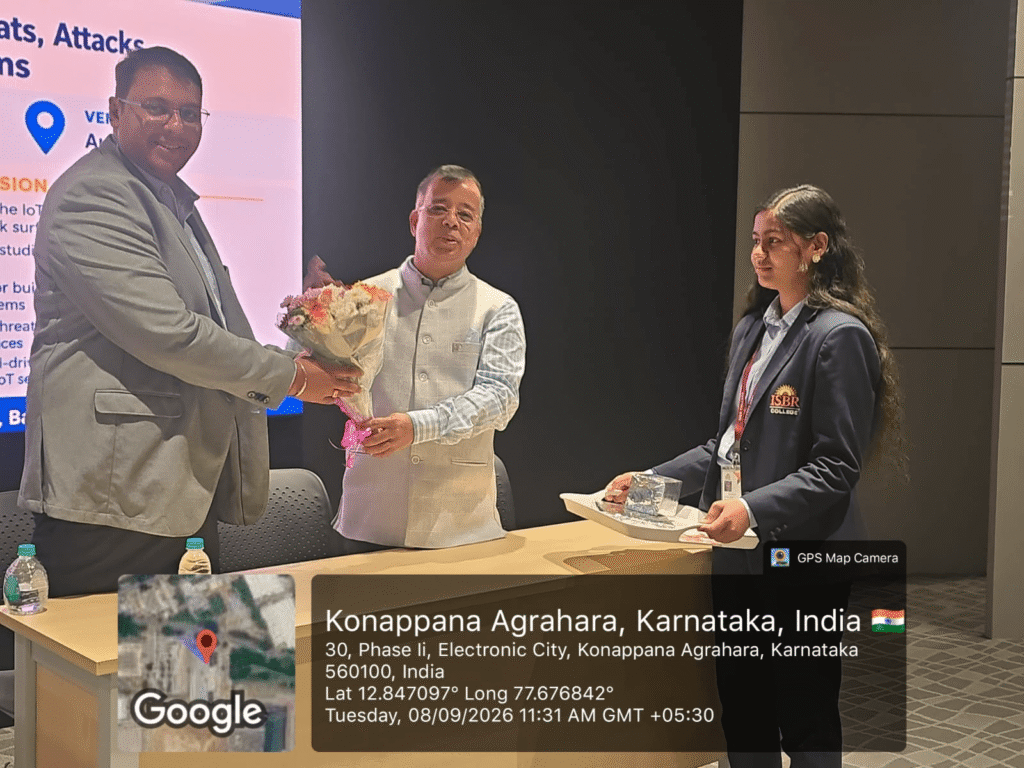
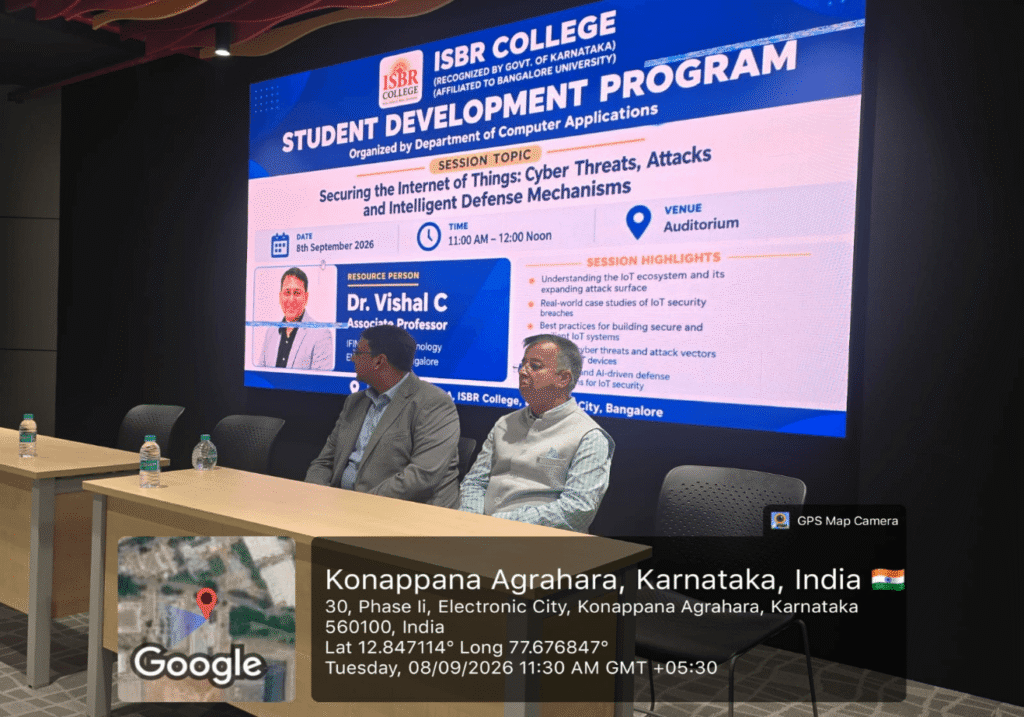
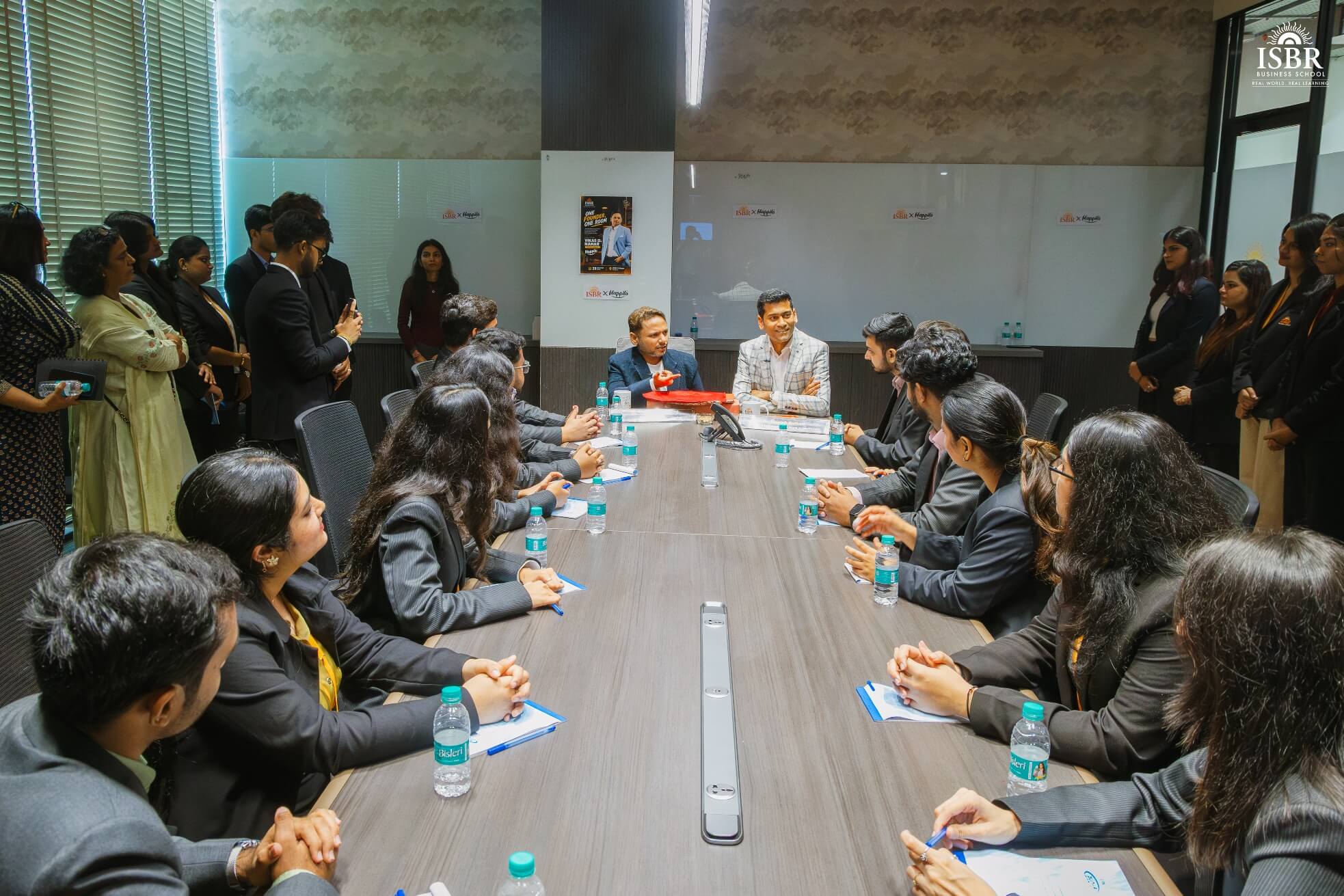
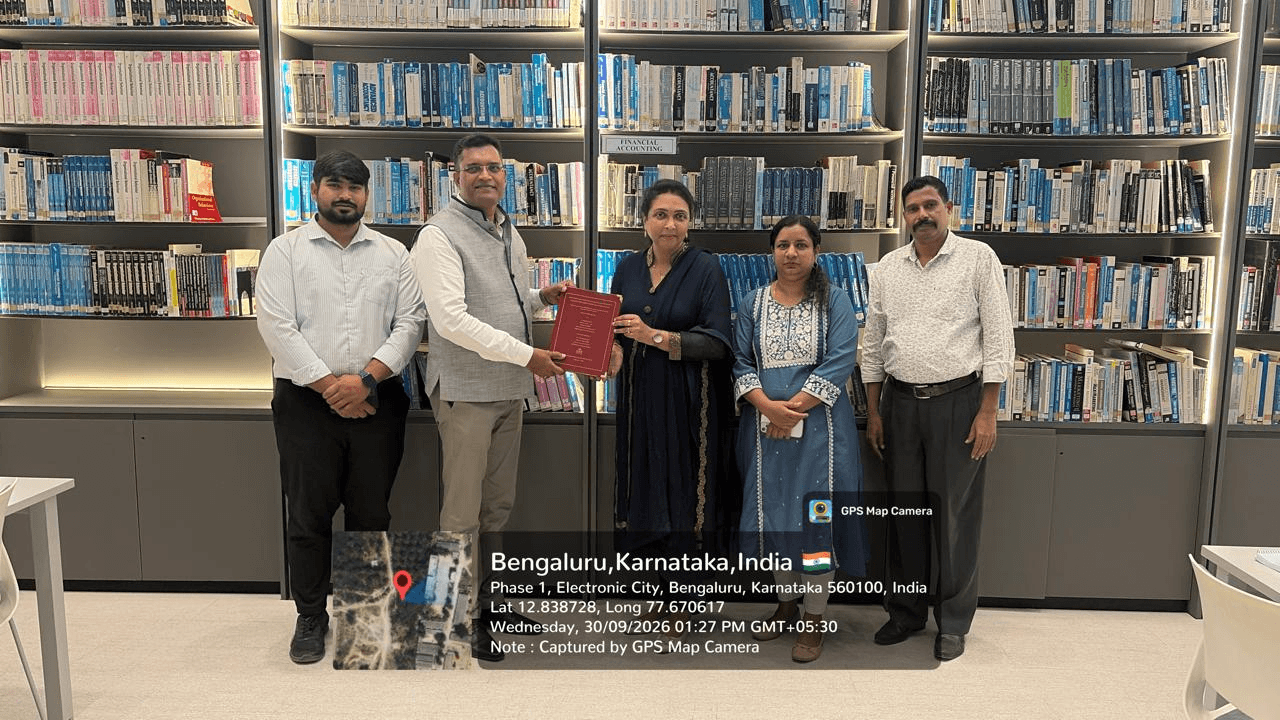
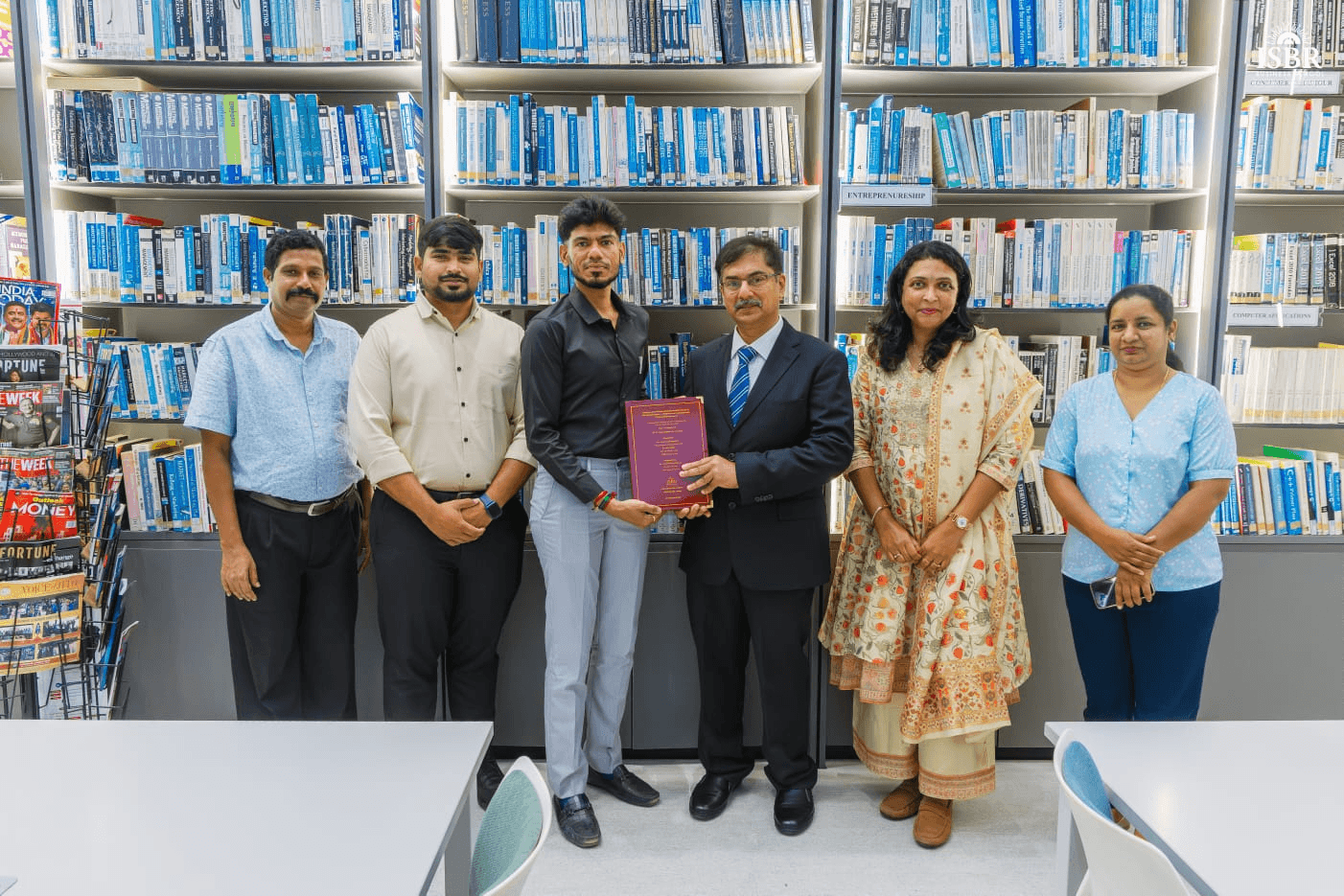
Dr. Vishal C being welcomed by faculty members and student coordinators at the ISBR College Auditorium.
The SDP opened with a formal welcome emphasizing the growing need for robust security controls across connected smart devices. Dr. M. Vijaya Maheswari, HOD of Computer Applications, highlighted the objective of bridging classroom theory with live technical demonstrations and industry practice.
Demystifying the IoT Ecosystem: Sensors, Networks, and Evolution
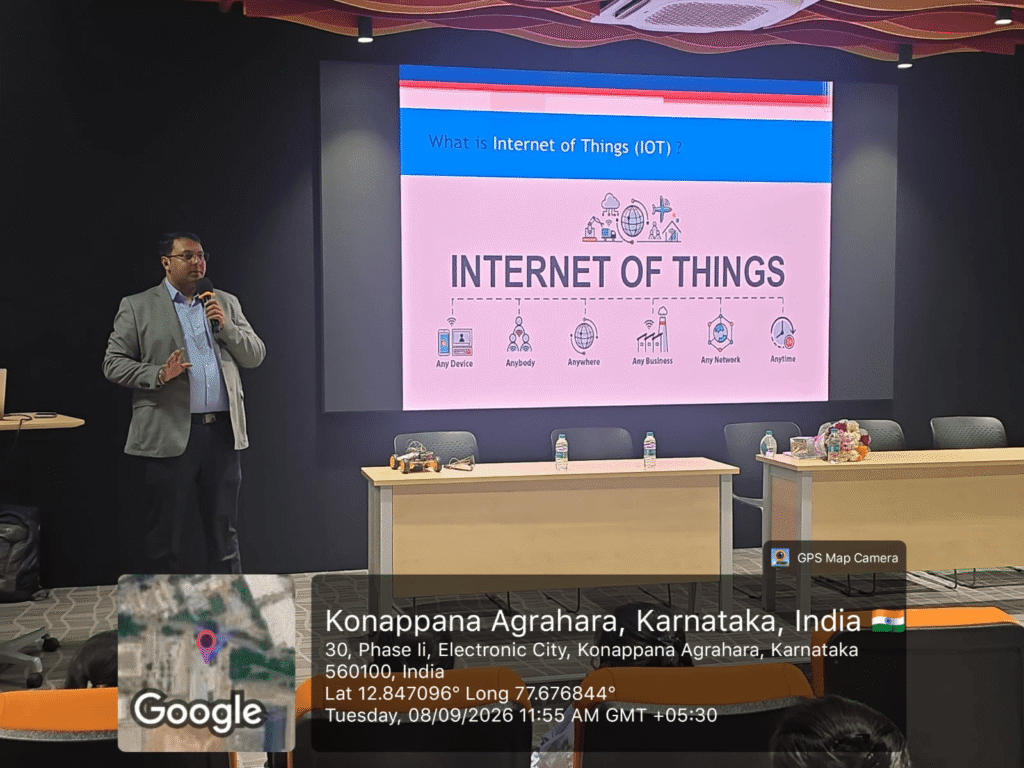
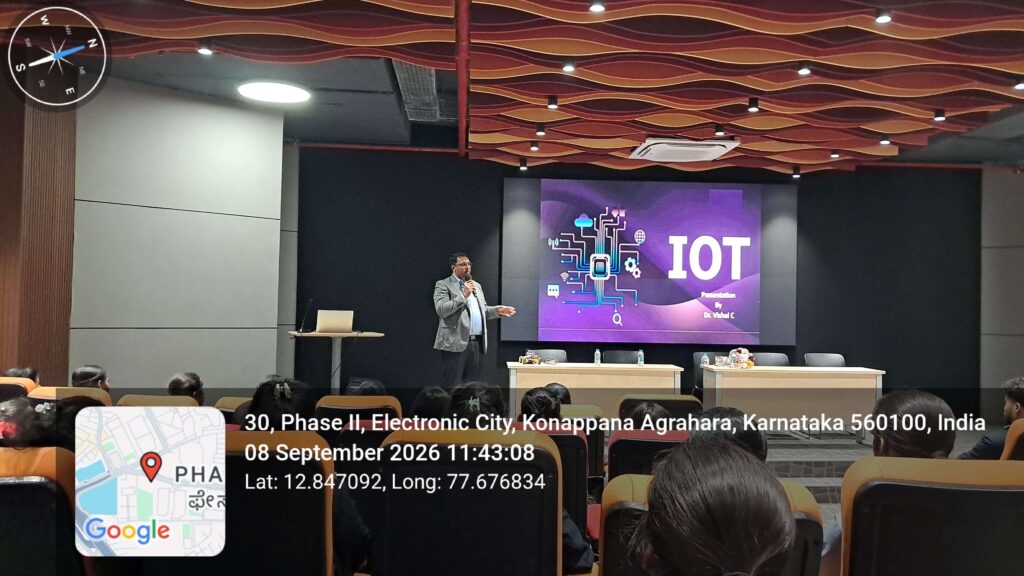
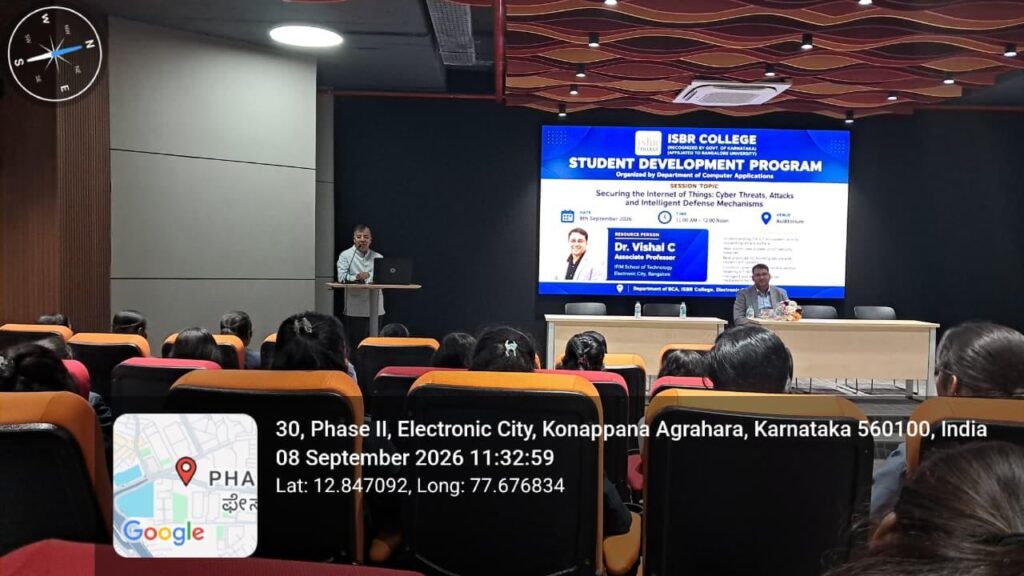
Dr. Vishal C opened his keynote by tracing the technical evolution of the Internet of Things—explaining how traditional physical hardware evolved into interconnected smart systems.
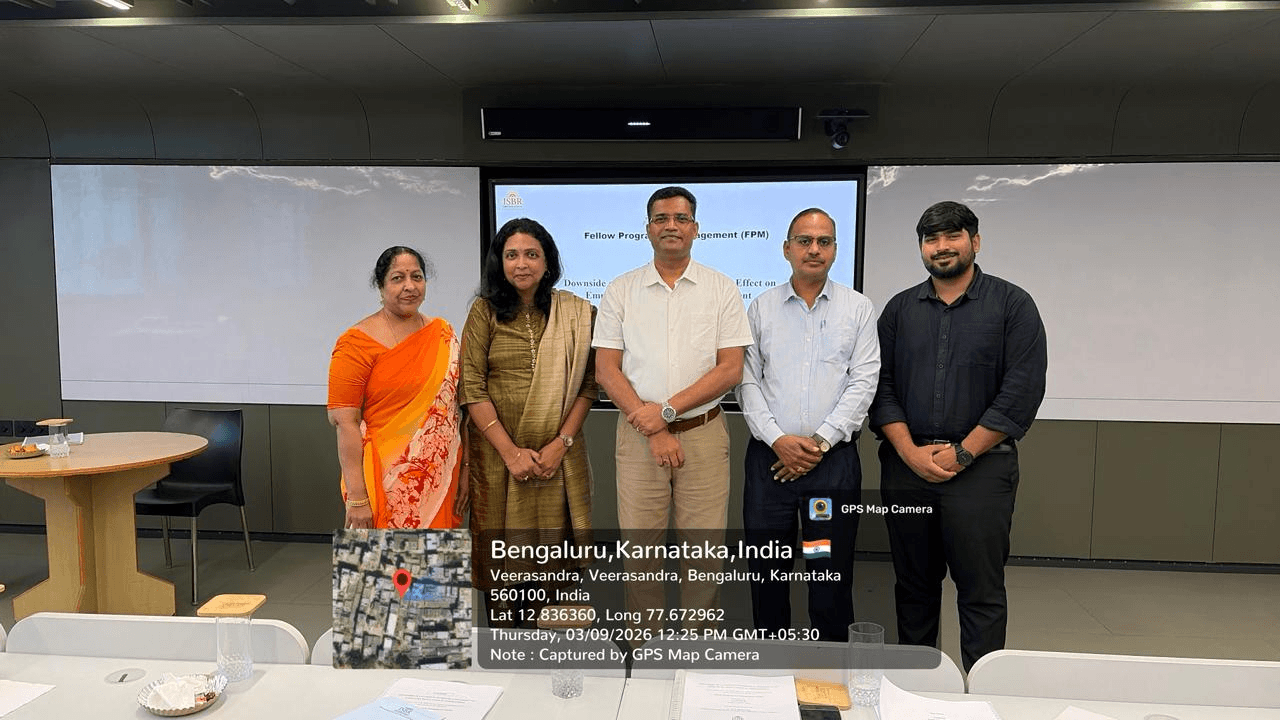
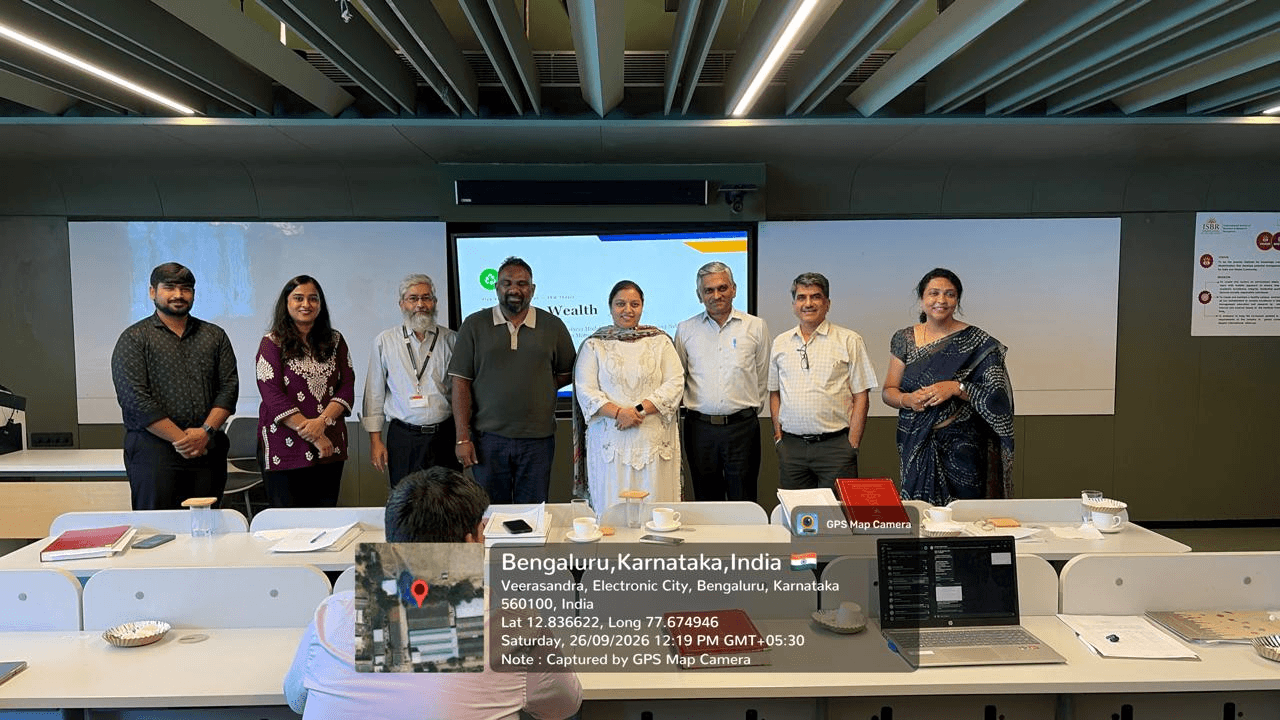
Dr. Vishal C presenting the core architecture of IoT devices and sensor networks to BCA students.
Core Components Covered:
- Sensor Infrastructure: How environmental sensors capture raw data and prepare it for real-time transmission.
- Network Connectivity: The path data takes across wireless protocols to cloud and edge computing platforms.
- Smart Ecosystems: Real-world industrial and commercial applications of smart monitoring systems.
Translating Innovation: Research, Patents, and Student Projects
A key focus of the presentation was turning academic concepts into practical technological solutions. Dr. Vishal C shared insights from his own research and patent portfolio, explaining how students can identify real-world problems and engineer viable answers.
He highlighted exemplary student-led projects that integrate IoT sensors, Artificial Intelligence, and network security, encouraging attendees to build practical prototypes beyond routine coursework.
Cyber Threats & Public Wi-Fi Risks: Live Defense Demonstration
Addressing network security vulnerabilities, Dr. Vishal C demonstrated how connected devices expose sensitive information when attached to open or misconfigured networks.
Live Demonstration Key Takeaways:
- Public Wi-Fi Interception: A controlled demonstration showing how unauthorized listeners can capture unencrypted data over open wireless networks.
- Signal Interference & Jammers: A conceptual breakdown of how wireless signal disruption affects IoT device communication and reliability.
- Essential Defense Practices:
- Avoiding sensitive transactions over unencrypted public Wi-Fi.
- Enforcing strong multi-factor authentication protocols.
- Maintaining updated firmware and secure device encryption.
Group Showcase & Future Roadmap
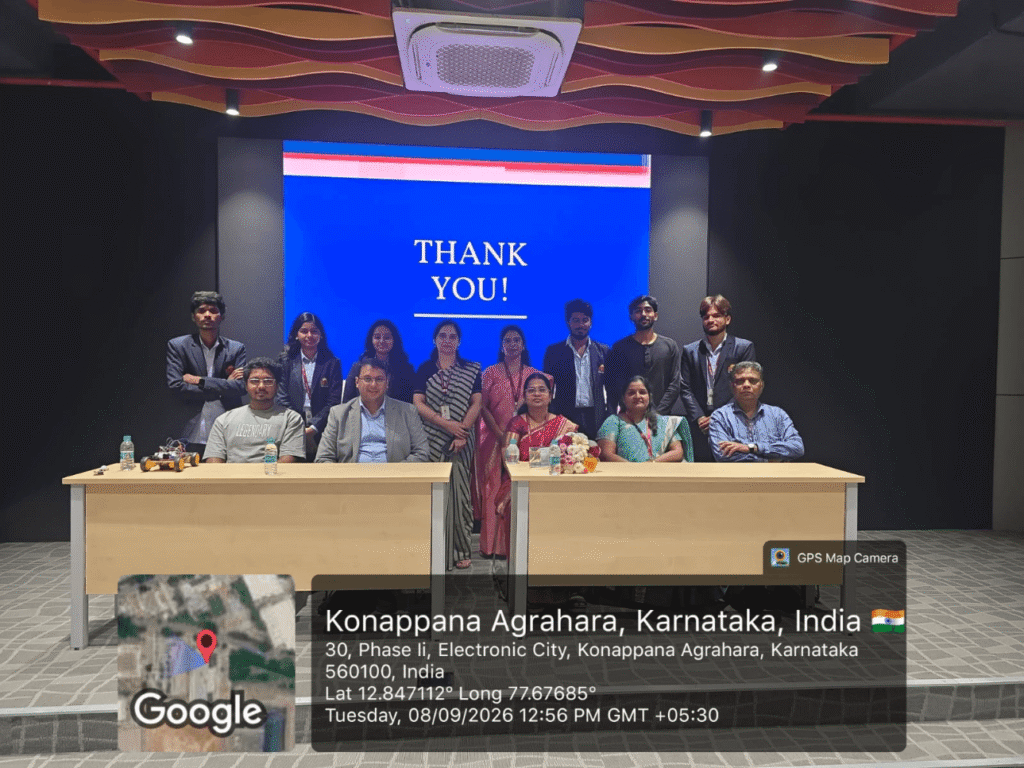
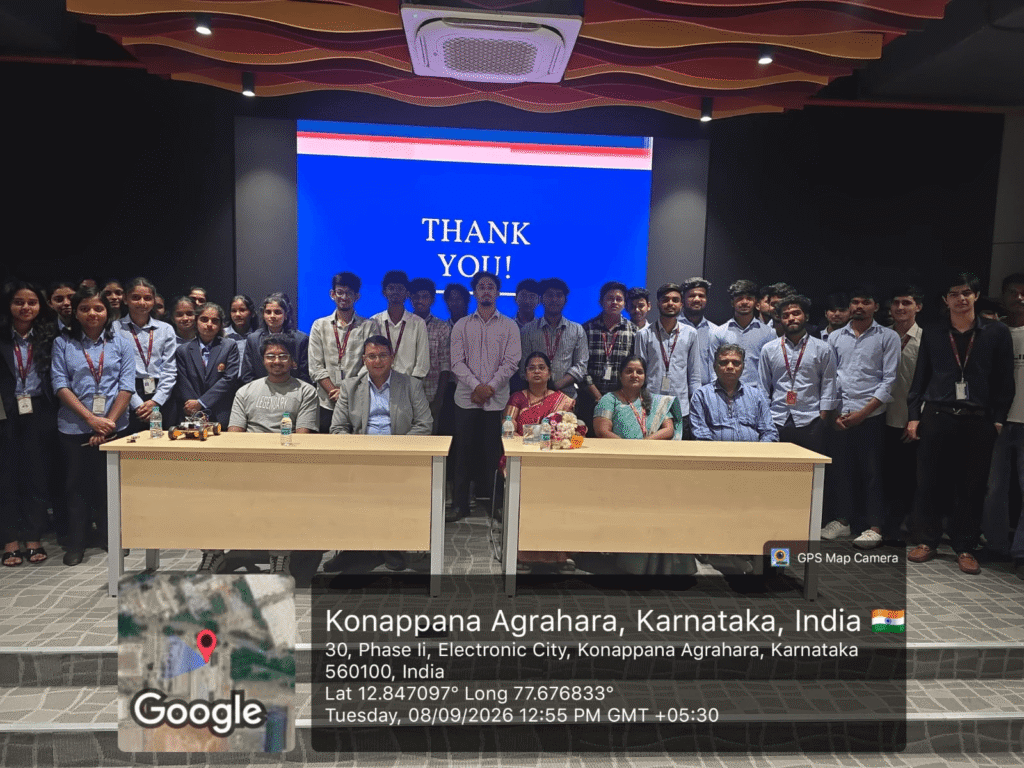
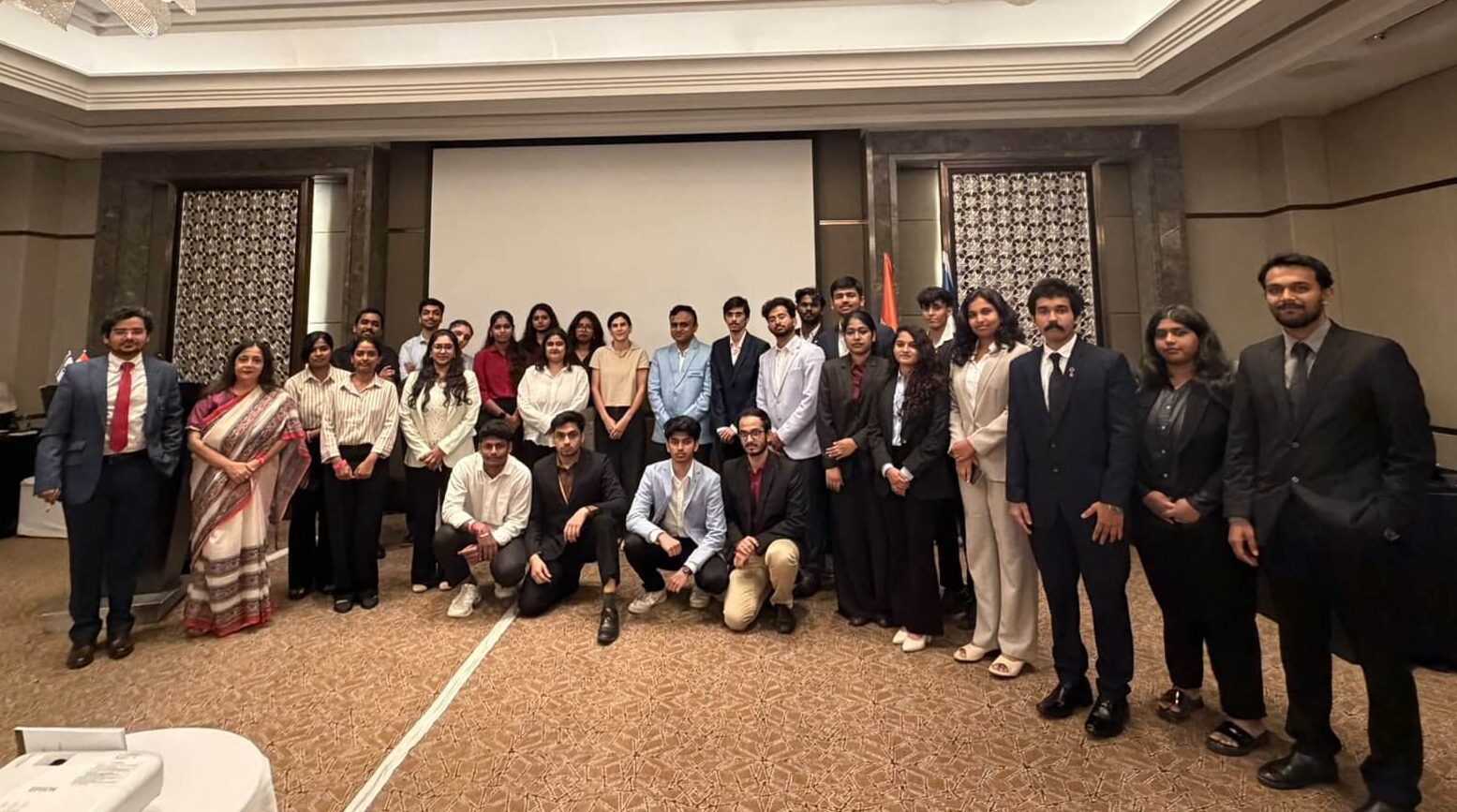
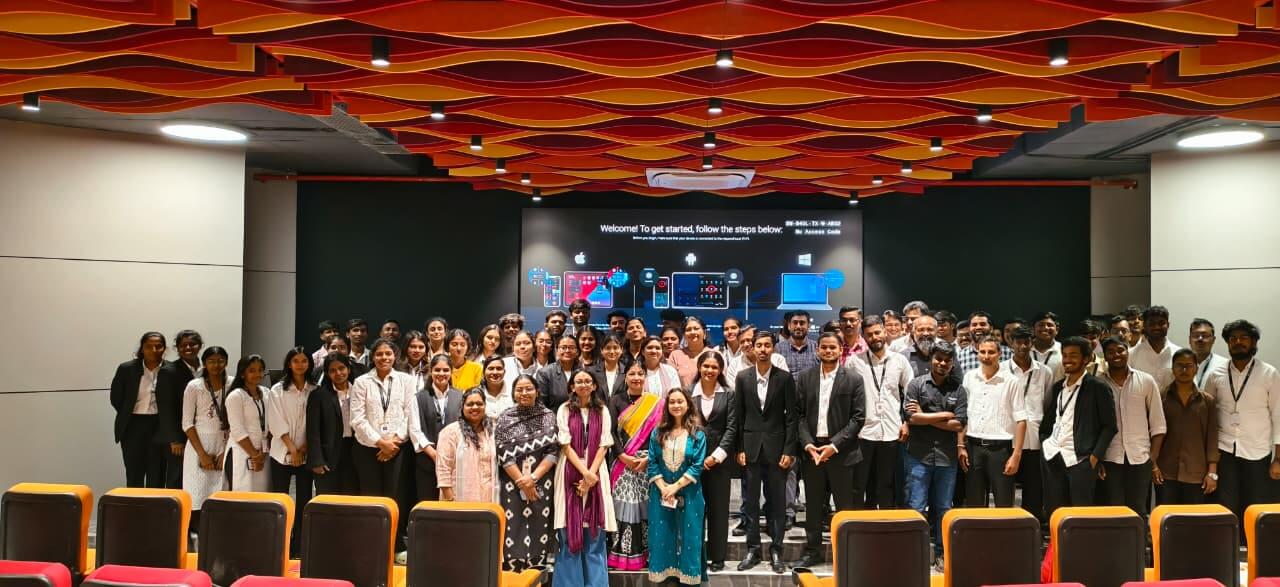
BCA students, faculty members, and resource person Dr. Vishal C at the conclusion of the SDP.
The session concluded with an interactive Q&A where students discussed project ideas spanning IoT hardware, AI-driven threat detection, and wireless protocol hardening. The Department of Computer Applications expressed its gratitude to Dr. Vishal C for delivering an insightful, hands-on session that reinforced student innovation and cybersecurity awareness.