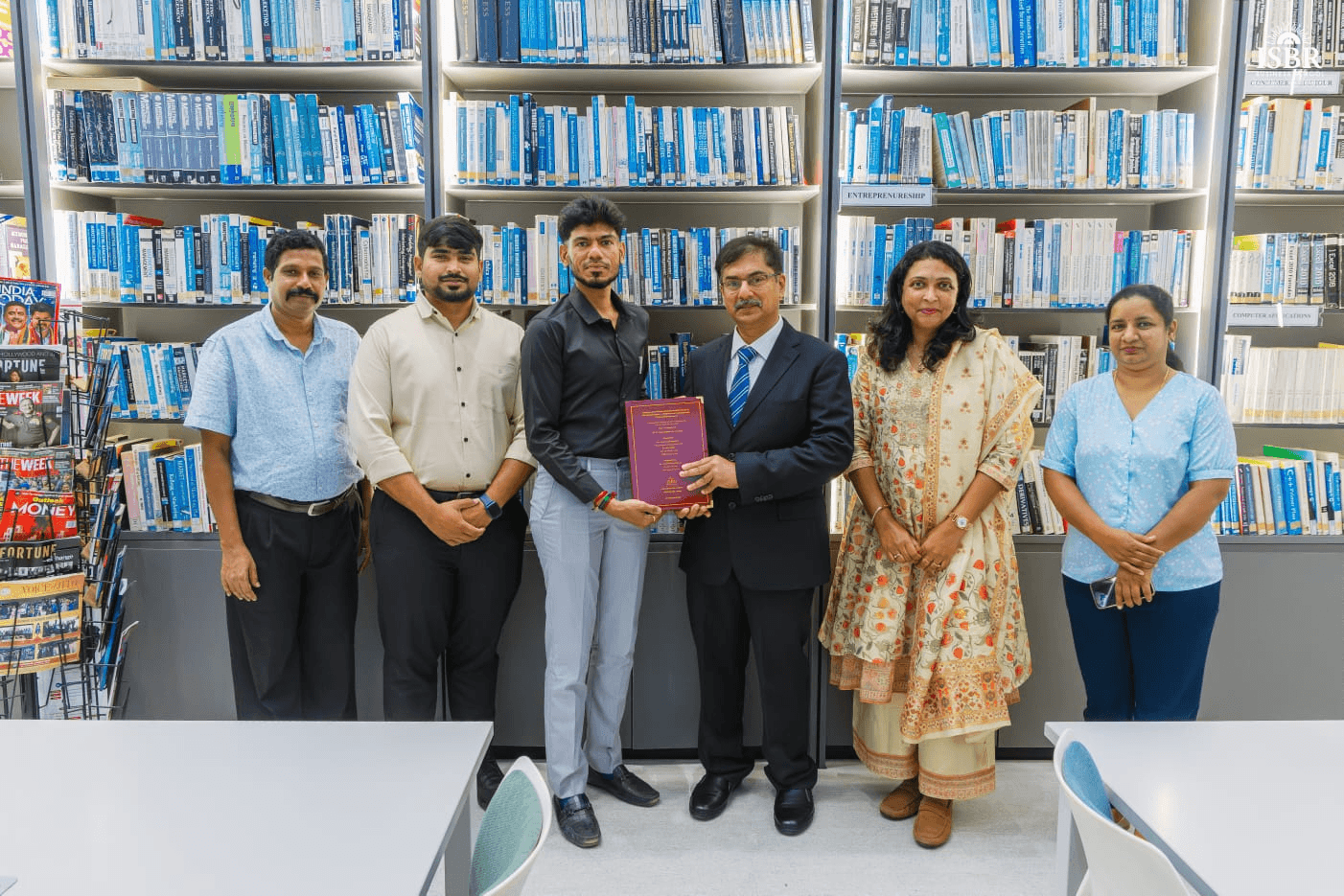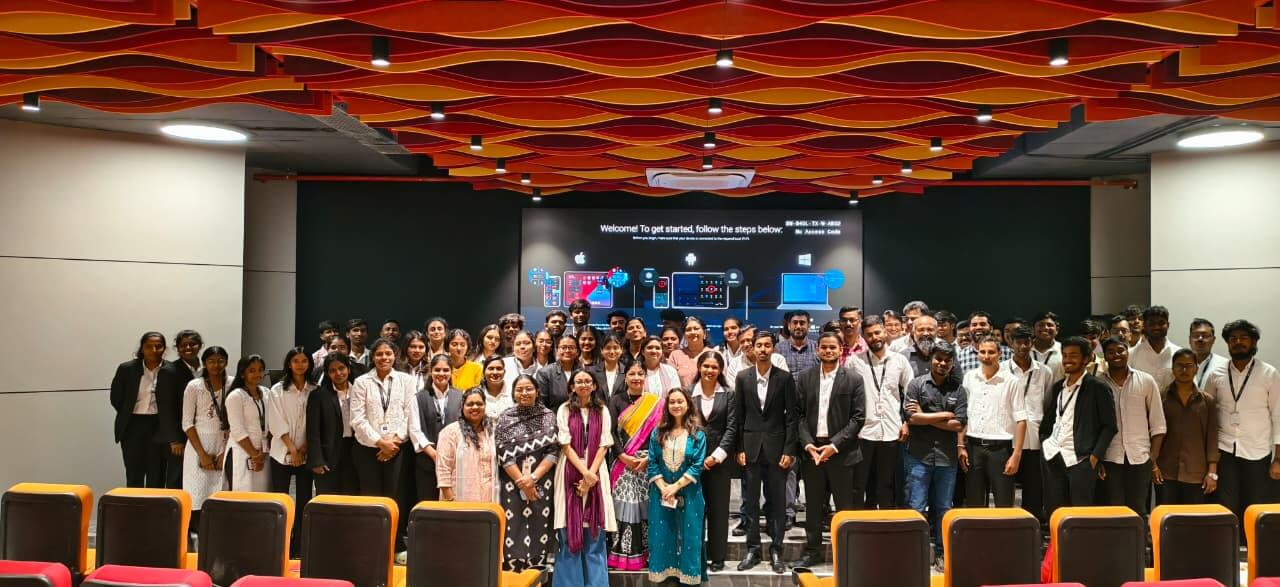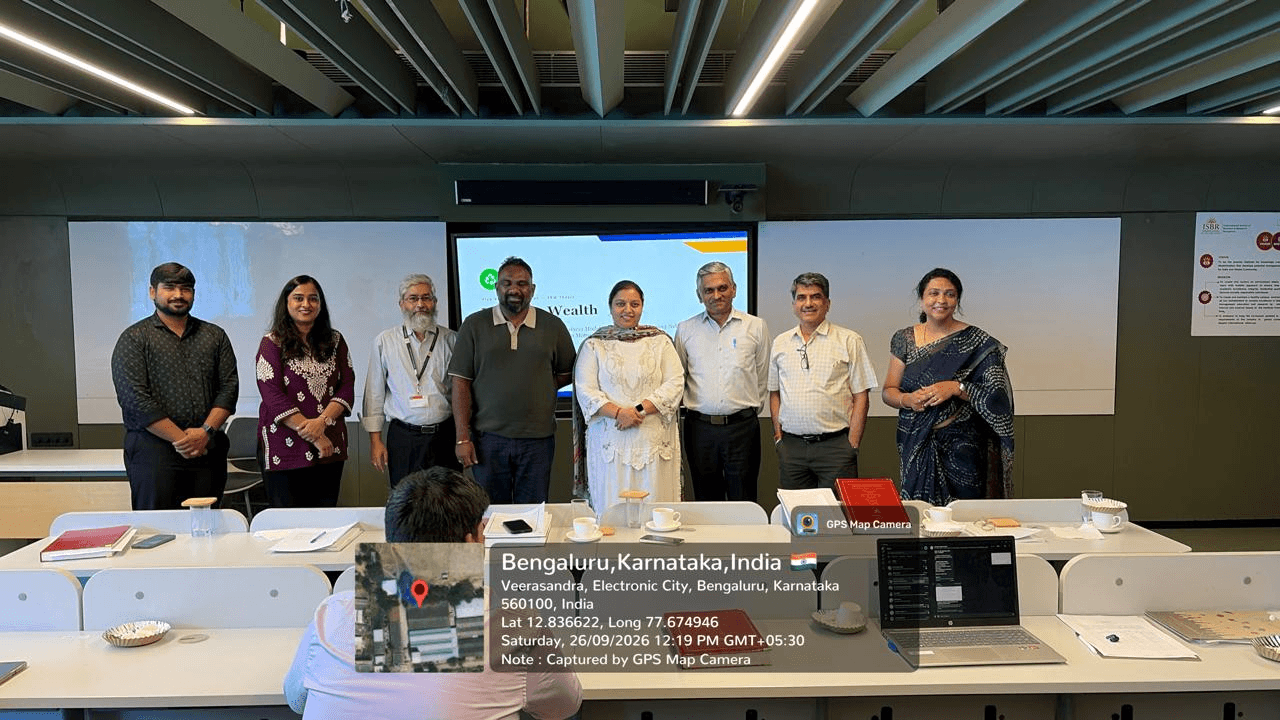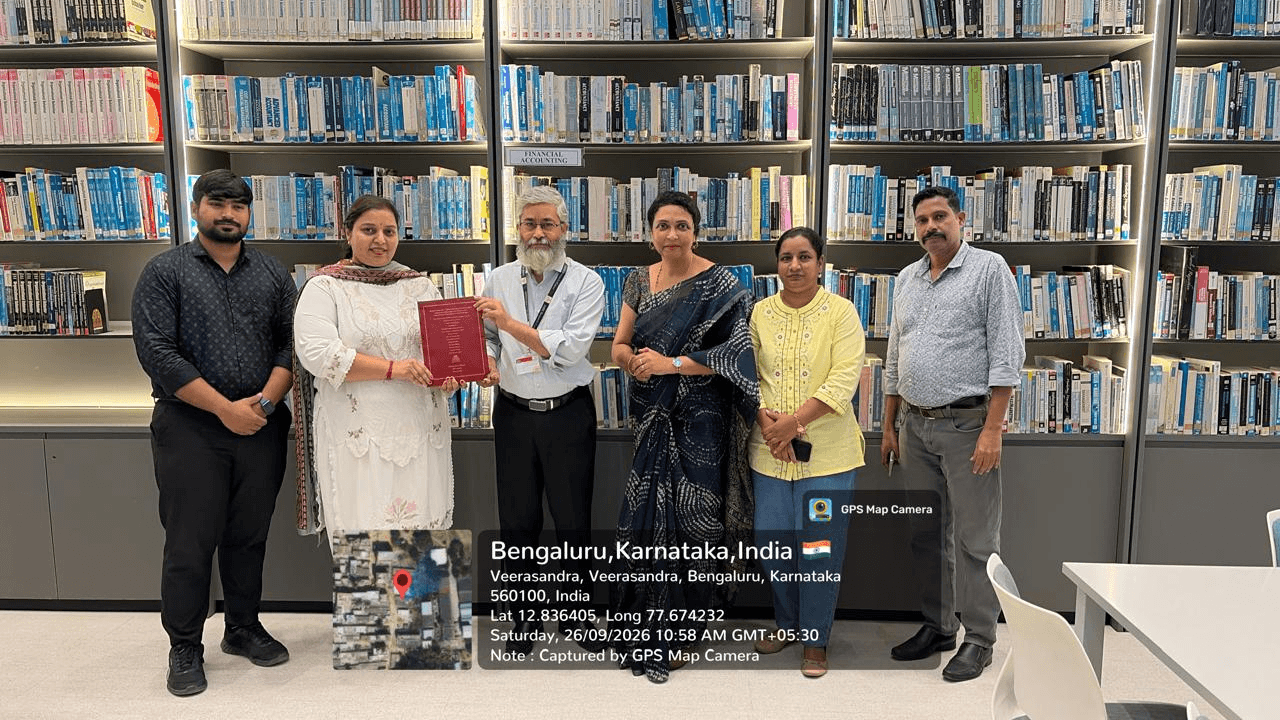


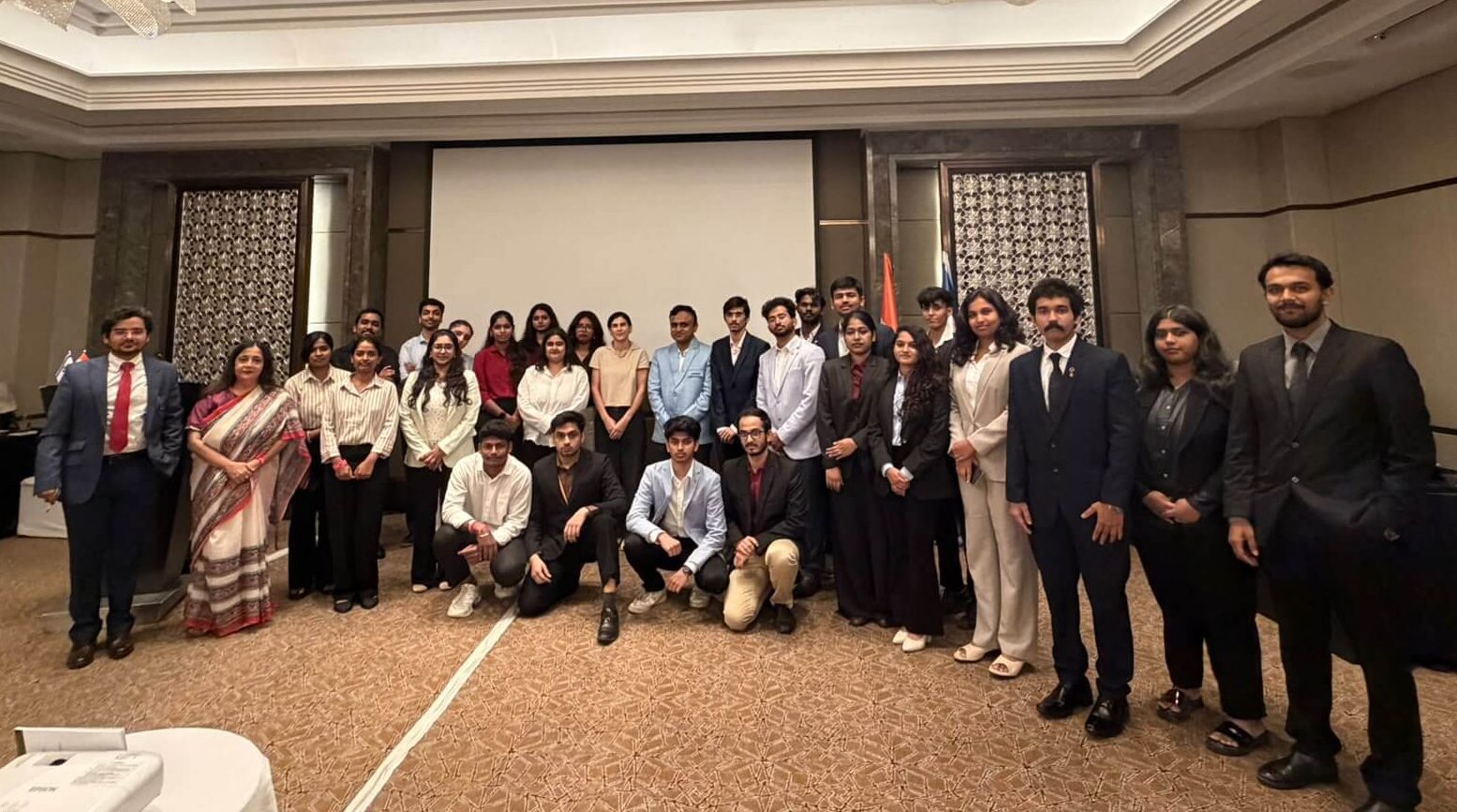
BENGALURU — Highlighting the transformative power of cross-border collaboration and problem-driven technological adaptation, the India–Israel Industry Immersion Programme provided participants with an in-depth exploration of Israel’s renowned innovation ecosystem and its strategic, multi-decadal partnership with India. The programme illustrated how resource constraints can drive world-class technological solutions that are successfully adapted to empower local agricultural communities across India.
Event Overview at a Glance
| Program Parameter | Event Details |
| Programme Name | India–Israel Industry Immersion Programme |
| Core Themes | Israeli Innovation Mindset, Water Management, Ag-Tech, Bilateral Cooperation |
| Bilateral Context | Full Diplomatic Relations established in 1992 (Agriculture, Water, Science & Tech) |
| Featured Case Study | Netafim (Precision Drip Irrigation & Ramthal Project, Karnataka) |
| National Footprint | 33 Active Agricultural Centres of Excellence (CoE) across India |
| Key Takeaways | Problem-Driven Innovation, Localized Adaptation, Scalable Community Impact |
Innovation Adaptation & Knowledge Transfer Framework
The immersion programme outlined a structured framework showing how solutions developed in arid, resource-constrained environments can be adapted to drive large-scale community impact globally.
The Israeli Innovation Mindset & Bilateral Synergy
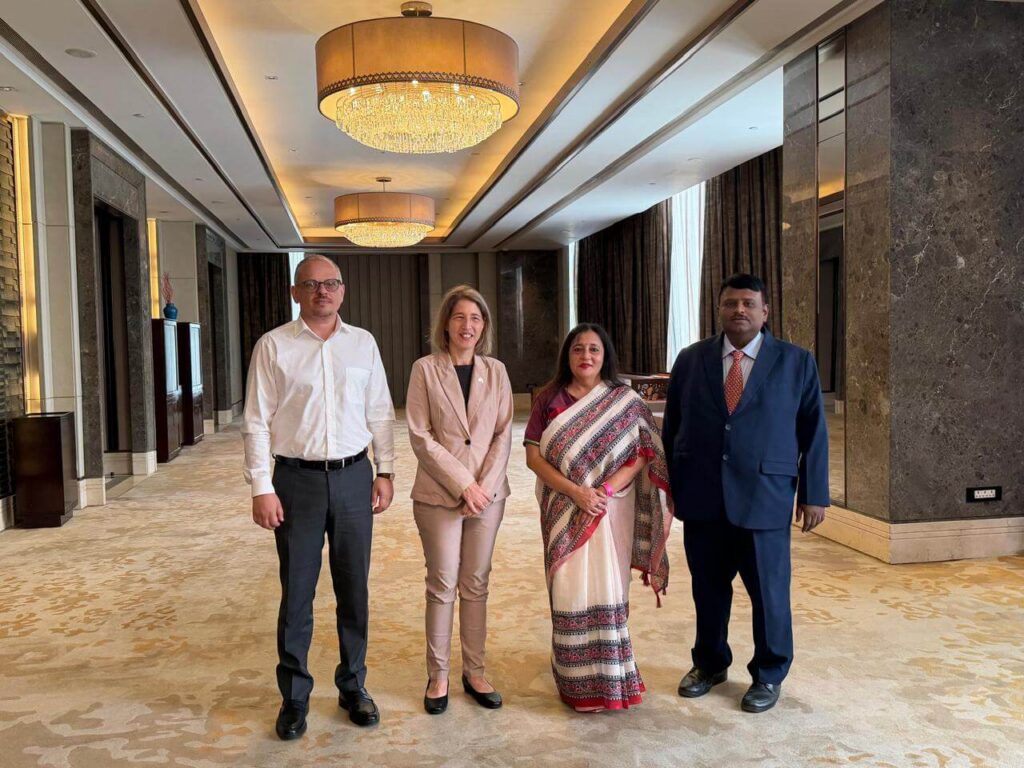
The programme emphasized that true innovation extends beyond theoretical technology to focus on practical, real-world problem-solving:
- Turning Limitations into Innovation: Faced with limited natural resources and harsh environmental conditions—particularly in water supply and agriculture—Israel focused on developing specialized technology around these challenges rather than viewing them solely as constraints.
- Evolving Bilateral Partnership: Since establishing full diplomatic relations in 1992, cooperation between India and Israel has expanded across agriculture, water management, science and technology, and entrepreneurship.
- Centres of Excellence (CoE): The relationship has evolved toward active knowledge-sharing, evidenced by 33 active Centres of Excellence across India where Israeli ag-tech solutions are customized to local farming conditions.
Case Study: Netafim & Precision Irrigation in India
A central highlight of the immersion was the examination of Netafim, an Israeli pioneer in modern micro-irrigation:
- Pioneering Origins: Netafim began in 1965 at Kibbutz Hatzerim in the Negev Desert, where farmers developed the first commercial dripper to cultivate crops under extreme water scarcity.
- Scalable Local Adaptation: Rather than offering a rigid product, Netafim tailored its precision-irrigation models to suit both Indian smallholders and large-scale agricultural enterprises.
- The Ramthal Project in Karnataka: In Karnataka, Netafim implemented the Ramthal community irrigation project, delivering precision irrigation to approximately 7,000 small farmers across nearly 12,000 hectares.
- Ecosystem Support Over Equipment Sales: Netafim’s impact relies on a comprehensive support model incorporating farmer training, demonstration plots, agronomic guidance, and long-term after-sales service.
Key Takeaways & Core Learnings
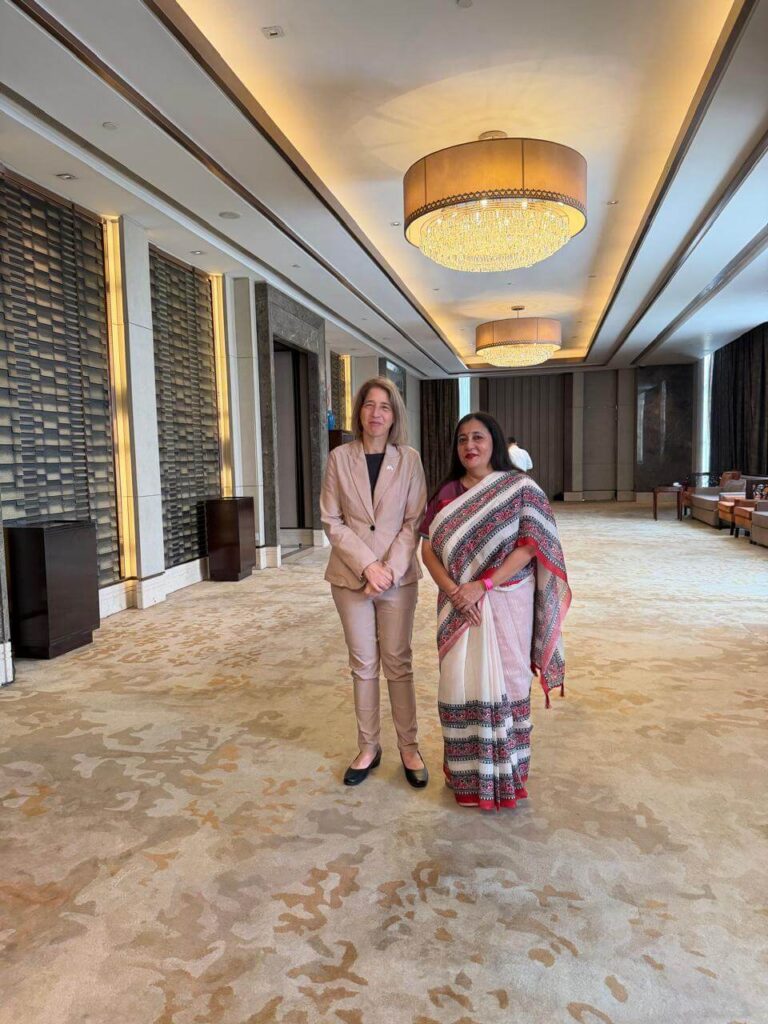
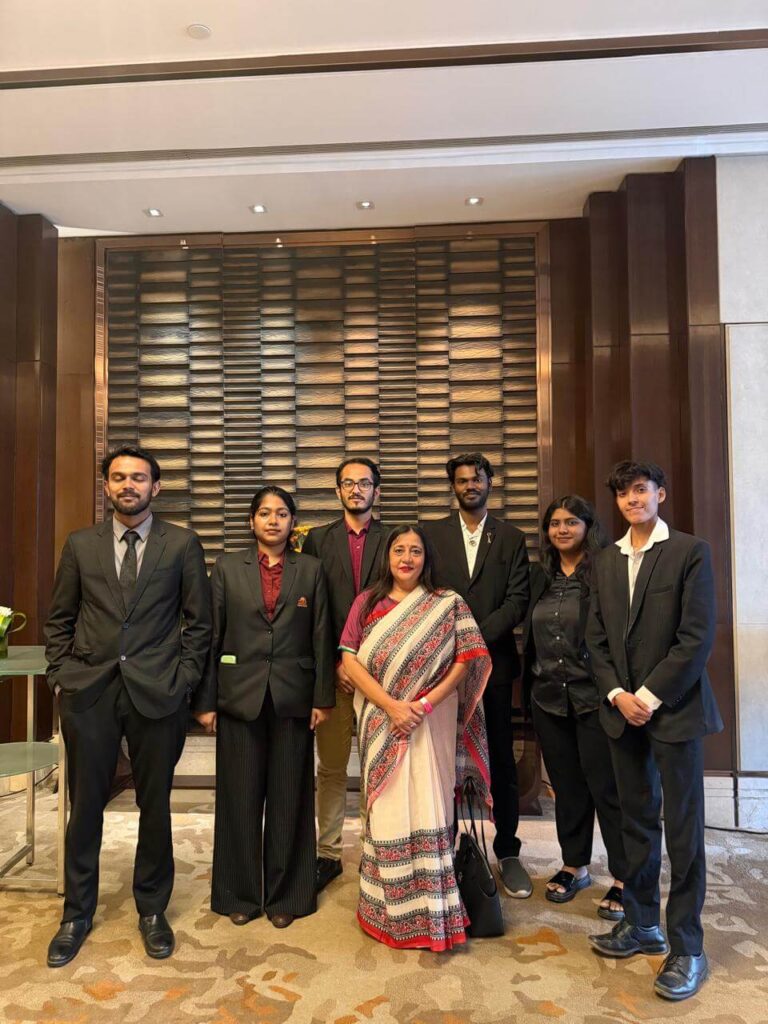
The India–Israel Industry Immersion Programme highlighted several core principles for successful global-to-local innovation:
- Identify the Root Problem: Focus technological innovation on solving tangible, real-world community challenges.
- Understand Local Contexts: Tailor international technology models to meet the economic and operational realities of end-users.
- Build Sustainable Support Ecosystems: Pair technology deployment with hands-on training, capacity building, and continuous service.
- Foster Cross-Border Collaboration: Utilize institutional frameworks like Centres of Excellence to enable continuous knowledge transfer and innovation.