
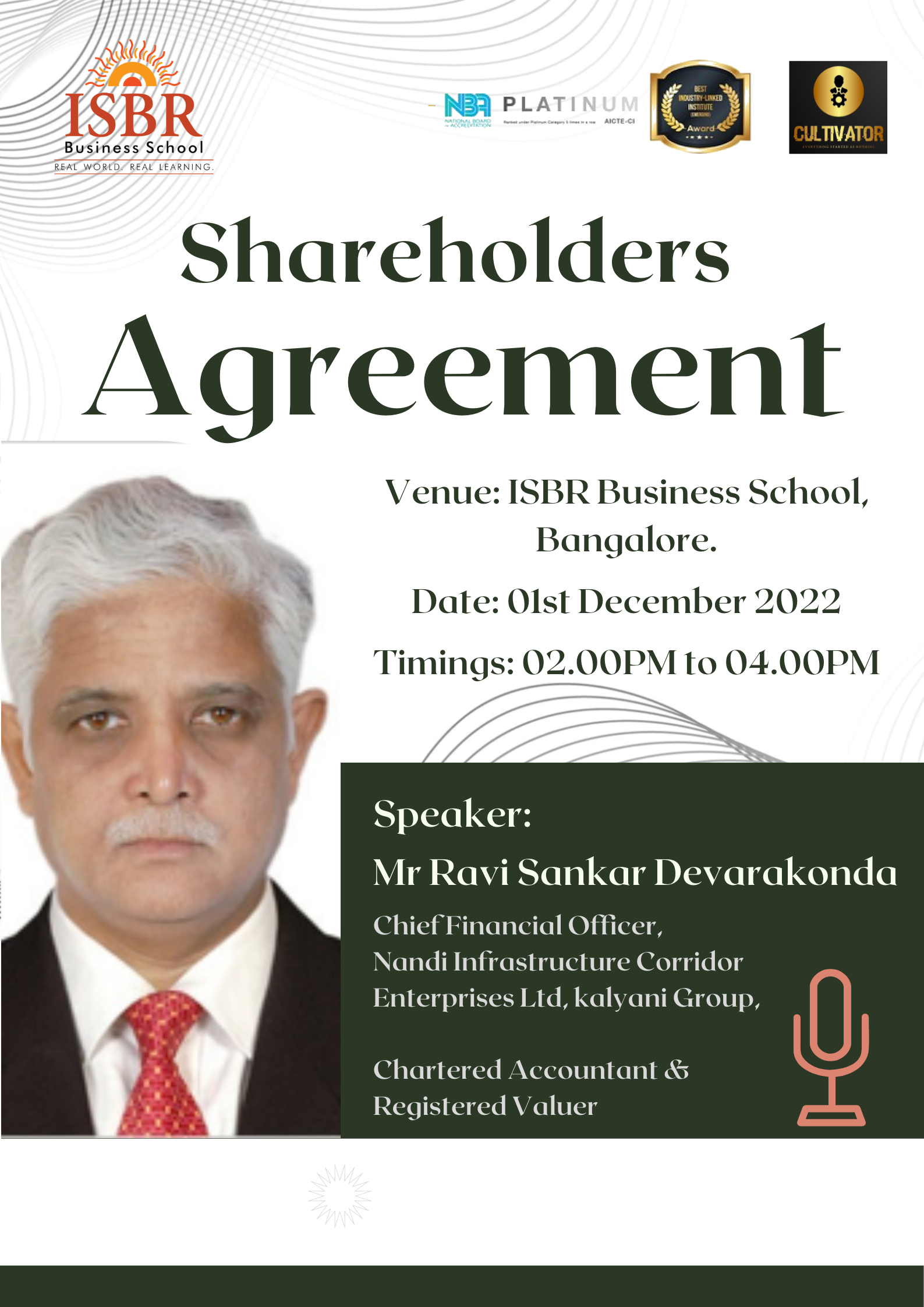
PROFILE OF THE SPEAKER:
Mr. Ravi Shankar Devarkonda, a Chartered Accountant and Company Secretary by profession is a domain expert in the field of finance and secretarial practices. He is the Chief Financial Officer (CFO) of Nandi Infrastructure Corridor Enterprises Ltd, Kalyani Group and is also a registered Valuer as per Insolvency and Bankruptcy Code of India.
ABSTRACT:
A shareholders’ agreement is an agreement among the shareholders of a company. It protects both the business and its shareholders. A shareholders’ agreement describes the rights and obligations of shareholders, issuance of shares, the operation of the business, and the decision-making process. While these part-owners earn profit by investing in a company’s stocks, they also play an important role in operating, financing, governing and controlling various aspects of a business. The Shareholders
Agreement is binding only on the parties to the Agreement, and it is a contractual arrangement between the parties. A properly drafted Shareholders Agreement will help to maintain a healthy relationship between the parties.
FLOW OF EVENTS:
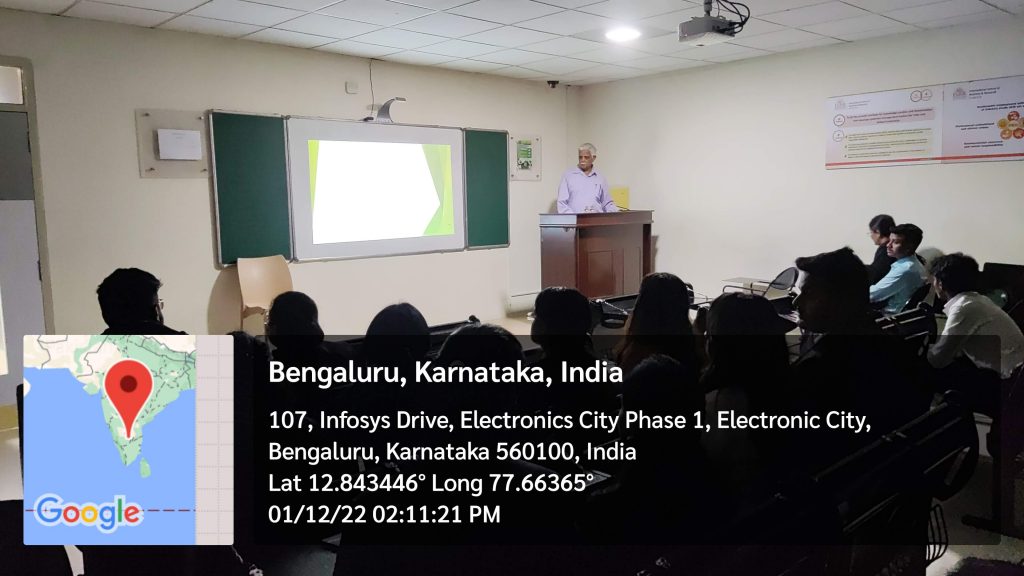
So, the session started with the discussion of various topics concerned like:
- The speaker started by explaining what is share capital, the basic fundamental of a company arrangement and what is a share agreement.
- Next, he jumped onto Due Diligence(DD) procedure and it types which are: Legal DD, Technical DD and Administrative DD
- Then comes Pre Negotiation Stage, wherein the first process is
– Commercials: Commercials are foundation of all commercial contracts and the legal clause only supplements it.
– Letter of Intent/ MoU/ Term sheet
– Negotiation: The art of arriving at a consensus between two parties. - Next comes drafting a Shareholders Agreement (SHA) , Drafting is done keeping in
mind two clauses – Generic clause and Common clause. - The speaker briefed about what are the key consideration area of SHA, that are:
– Regulatory Framework
– Commercial Consideration
– Transfer provision
– Equity Shareholding pattern
– Minority rights protection - Then he explained the Key Clauses under Shareholding Agreement:
– Anti Dilution Right
– Quorum Right
– Veto Right/ Affirmative Right
– Share Transfer restriction Right
– Tag along Right
– ROFR (Right of First Refusal)
– ROFO (Right of First Offer)
– Drag along Right
Exit Rights:
i) IPO
ii) Third party sale
iii) Share Buy Back
iv) Sale of assets and liquidation. - Then he explained the concept of Deadlock; Deadlock can occur both at the Board as well as at the shareholder level.
- Then he talked about Veto Rights and its matters, which are
– Takeover of new Business
– IPO
– Amalgamation, M&A, Reorganisation and consolidation
– Appointment/Removal of company auditors.
– Modification in MOA and AOA
– Any change in composition of Board of Director
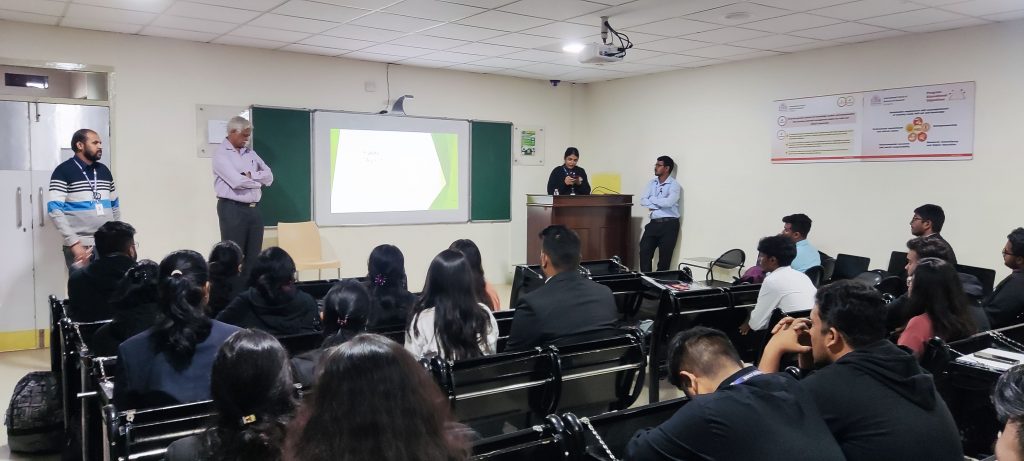
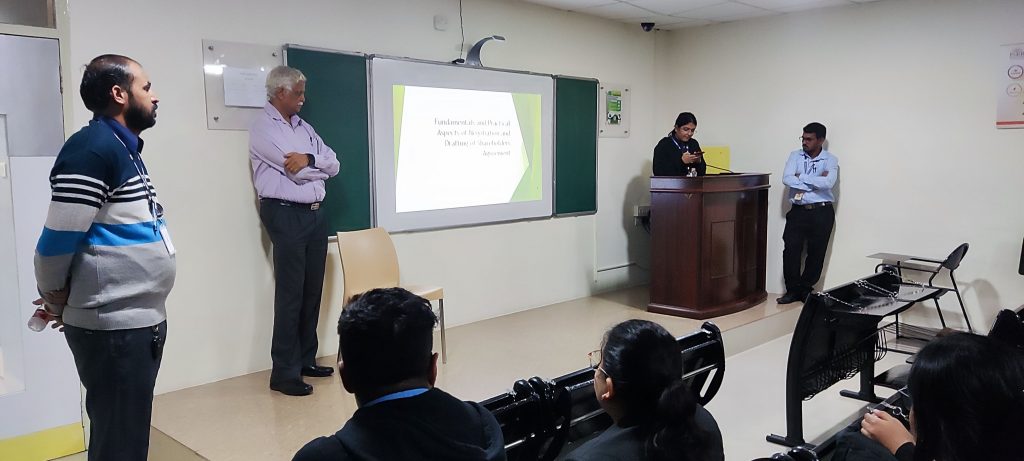
LEARNINGS FROM THE EVENTS:
The session was insightful and full of learnings as we were able to understand the fundamentals of share agreement, basics of secretarial practices and company working and got to know a lot about the rights governing minority shareholders
About ISBR: ISBR Business School, Bangalore-based, Top Class B School for PGDM or MBA, Consistently ranked as best B School in India, AICTE-CII Platinum Category, with multiple specializations